
Tbilisi Property Prices (2020–2026): An International Investor’s Guide
Tbilisi property prices have changed dramatically over the past six years, making today’s market vastly different from what investors experienced in 2020. The capital of Georgia has witnessed a remarkable transformation, with rising demand, expanding infrastructure, and increasing foreign investment reshaping the city’s real estate landscape. As a result, property values have climbed steadily, creating significant opportunities for both capital appreciation and rental income.
This comprehensive guide provides a data driven analysis of Tbilisi property prices between 2020 and 2026, exploring the key factors behind their growth, the latest market trends, and what investors can expect in the coming years. Whether you are considering your first international property investment or looking to diversify your portfolio, this guide will help you make informed decisions and identify opportunities for long-term, sustainable returns in one of Eastern Europe’s fastest-growing real estate markets.
The Real Estate Market in Georgia: Economic Maturity and Global Attraction
The appeal of real estate investment in Georgia goes far beyond its status as a beautiful tourist destination. Instead, it is built upon a legislative and economic environment specifically engineered to attract foreign capital. Georgia offers incentives that major European capitals lack, which explains the massive financial influx from investors in the Gulf Cooperation Council (GCC) countries, Jordan, and Palestine.
Prominent Legislative and Financial Advantages:
-
Near-Zero Tax System: Complete exemption from annual property taxes for individuals (provided there is no massive local income), and a very low tax on rental yields that does not exceed 5%.
-
100% Full Ownership: Georgian laws do not require a local partner. Foreigners have the absolute right to own the property and the land freehold, with one of the fastest registration procedures in the world through the “Public Service Hall” within just a few hours.
-
Permanent Real Estate Residency: The Georgian government grants residency to the investor and their family upon purchasing a property starting at a value of $150,000. This is a highly sought-after benefit for families and investors looking to secure a “Plan B” for living and moving freely.
Evolution of Property Prices in Tbilisi: A Historical and Numerical Analysis (2020 – 2026)
To understand the market’s current state in 2026, we must look back to see how property prices in Tbilisi evolved and reacted to global and local crises and opportunities.
Real estate prices have shown continuous growth in recent years. The average price per square meter rose from $750 in 2020 to $1,050 in 2022, then to $1,450 in 2024, reaching approximately $1,800 in 2026. This was driven by market recovery, increasing foreign investment, and the maturation of the real estate sector.
1. The Stagnation Phase and Missed Opportunities (2020)
At the peak of the COVID-19 pandemic, Tbilisi experienced relative quiet and a temporary slowdown in construction activity. The average price per square meter for apartments (black frame or semi finished) ranged between $700 and $800 in vital areas. Investors who had the courage to buy during that period have amassed substantial wealth today due to the doubling of prices.
2. The Price Explosion and Major Shift (2022)
Geopolitical shifts in Eastern Europe led to the migration of hundreds of thousands of highly skilled professionals, programmers, and entrepreneurs to Georgia. This sudden influx caused a massive spike in rental prices, which soared by over 100%. This immediately reflected on the market value of properties, with the average price per square meter jumping to between $1,000 and $1,150.
3. Stabilization and Regulatory Maturity (2024)
The Georgian government began implementing strict new Eurocodes building standards, which imposed rigorous criteria for safety, earthquake resistance, and thermal and acoustic insulation. These regulations raised construction costs for developers, naturally filtering the market to leave only committed, large-scale companies. Consequently, the average price per square meter rose to between $1,350 and $1,550.
4. The Current Landscape and Future Outlook (2026)
Today, in 2026, we stand before a mature and stable real estate market driven by genuine demand rather than a speculative bubble. Major international companies have entered the market to develop gated communities offering fully integrated hotel like services. The current average price per square meter in Tbilisi for modern off-plan projects is around $1,650 to $1,950, with expectations of a gradual continued rise due to Georgia’s ongoing integration plans with the European Union.
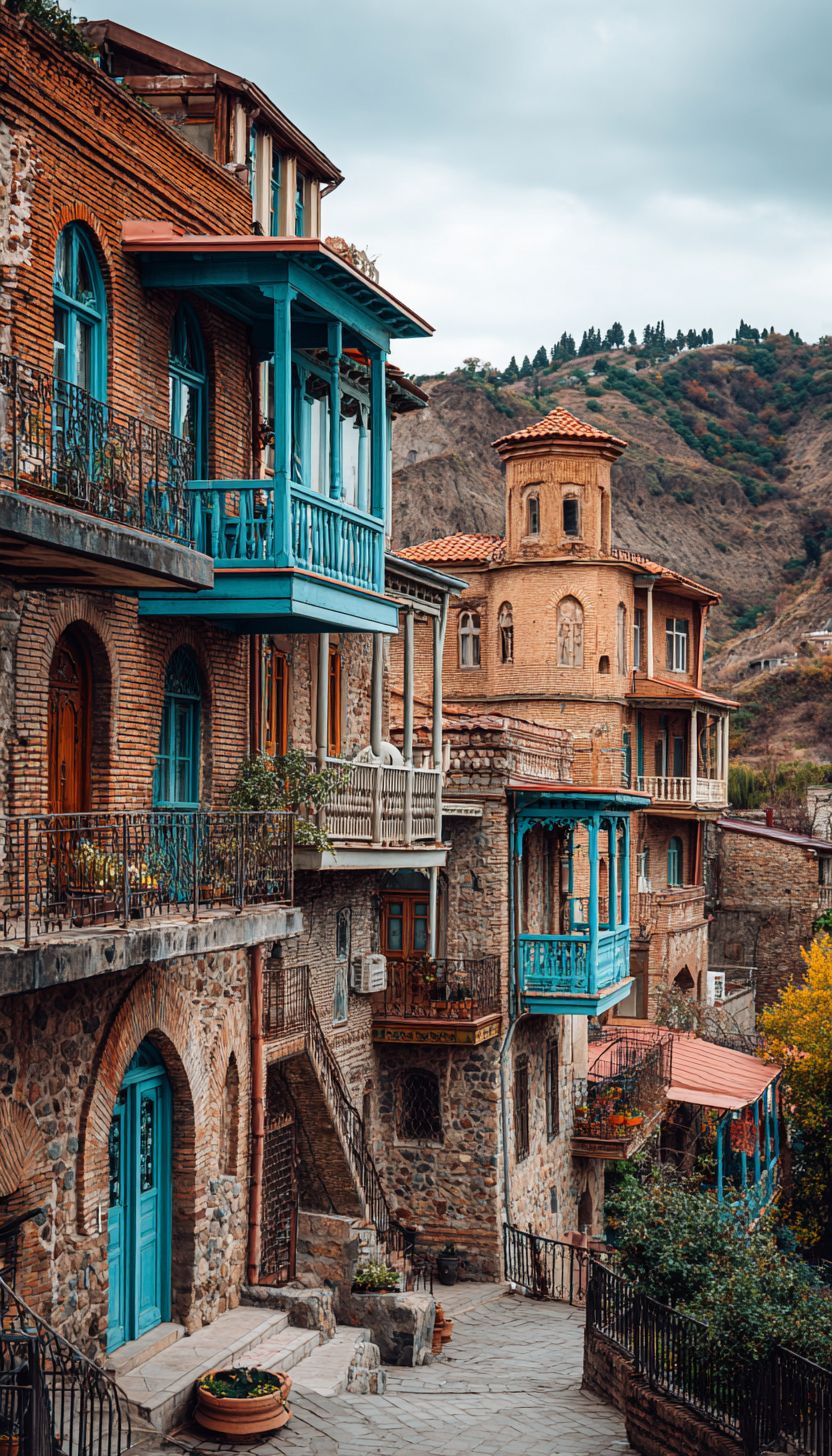
Comparison Table of Property Prices in Tbilisi Over 6 Years
The following table shows the approximate market value of a 70 square meter apartment in a mid to high end area in Tbilisi, tracking capital growth and yields:
| Target Year | Average Price per Sq.M. | Total Apartment Value | Expected Annual Rental Yield | Annual Capital Growth |
| 2020 | $750 | $52,500 | $4,200 (approx. 8%) | Base year (pandemic slowdown) |
| 2022 | $1,100 | $77,000 | $9,240 (approx. 12% boom) | + 46.6% |
| 2024 | $1,450 | $101,500 | $10,150 (approx. 10%) | + 31.8% |
| 2026 (Now) | $1,800 | $126,000 | $11,340 (approx. 9%) | + 24.1% |
Investment Note: The table highlights that an apartment priced at $52,500 in 2020 is valued at over $126,000 today in 2026. This represents a net capital appreciation exceeding 140%, excluding the continuous monthly rental income generated along the way.
Geographical Analysis: Property Price Distribution in Tbilisi by District for 2026
Prices cannot be generalized across the capital; each area in Tbilisi targets a specific segment of tenants and investors. Below is a breakdown of price levels in the city’s key districts:
1. Vake and Saburtalo: The Elite and Students
-
Nature of the Area: Vake is considered the most prestigious neighborhood for businessmen and diplomats, while Saburtalo is the city’s vibrant commercial hub and home to major medical universities.
-
Price per Sq.M. in 2026: Ranges between $2,100 and $2,800 for luxury, fully finished projects.
-
Investment Objective: Highly stable, long-term rental yields driven by demand from foreign students and high-income expatriate families.
2. Old Tbilisi and Chugureti: The Beating Heart of Tourism
-
Nature of the Area: Characterized by historical and heritage charm, featuring cafes, sulfur baths, and major tourist landmarks. New construction here is highly restricted due to heritage preservation laws.
-
Price per Sq.M. in 2026: Starts at $2,500 and reaches up to $3,500 due to the scarcity of land available for development.
-
Investment Objective: Daily vacation rentals via global platforms like Airbnb and Booking.com, where rental yields reach record highs during the summer and skiing seasons.
3. Didi Digomi and Isani: Promising Growth Opportunities
-
Nature of the Area: Modern urban expansion zones characterized by wide streets and massive residential complexes that feature pools, playgrounds, and shopping centers.
-
Price per Sq.M. in 2026: Ranges between $1,200 and $1,500.
-
Investment Objective: Highly suitable for investors looking for a low-cost entry point into the market, with potential for strong capital growth as infrastructure and metro lines in these areas near completion.
Hidden Real Estate Investment Costs in Georgia: What Brokers Don’t Tell You
To maximize benefits and avoid unexpected financial surprises, a conscious investor must understand the financial and operational details behind Tbilisi property prices:
First: Property Delivery Stages (Finishing Options)
Prices quoted by developers vary greatly based on the condition of the property upon delivery, which is categorized into three main types in Georgia:
-
Black Frame: The property is delivered as basic concrete and brick without any plumbing or electrical installations. Finishing it requires about $250 to $350 per square meter.
-
White Frame: Includes plastered walls, floors ready for tiling or parquet, and primary utility connections. It needs about $150 to $200 per square meter to be ready for occupancy.
-
Green Frame / Turnkey (Full Finishing and Furniture): The apartment is completely ready for immediate occupancy or rental. This option is always recommended for overseas investors to save the hassle of managing local labor.
Second: Annual Maintenance Fees
These include the costs of cleaning the complex, security, elevator operation, and the maintenance of pools and gyms. They usually range between $0.5 to $1.5 per square meter per month, paid annually to the developer or property management company.
How to Excel as a Smart Investor in Tbilisi’s Property Market in 2026?
To ensure you secure the best investment opportunities and avoid common risks, we recommend following these prudent strategies:
-
Buy Directly from the Developer Without a Broker: Relying on a financially strong and reputable developer ensures you get the actual price of the property without hidden commissions. It also grants access to flexible payment plans and direct legal support during registration.
-
Invest in Off-Plan Projects: This strategy is the ultimate secret to building real estate wealth. Buying a property during the early excavation stages allows you to secure promotional prices. As construction progresses, the market value naturally increases by 25% to 40% by the time of final delivery.
-
Utilize Hotel Property Management Companies: As an investor living outside Georgia, you likely lack the time to manage tenants, collect rent, and maintain the apartment. The ideal solution is choosing a developer that offers comprehensive hotel management services. They handle marketing and hospitality in exchange for a percentage of profits, ensuring a hands free, dollar denominated passive income.
Conclusion: Is Now the Right Time to Buy in Tbilisi?
Historical and numerical data spanning from 2020 to 2026 confirm one reality: waiting in the real estate market equates to a certain financial loss. The successive leaps in Tbilisi’s property prices prove that the city is moving rapidly toward the ranks of major European capitals in terms of regulatory and investment value.
Investing today in the Georgian capital is not merely buying concrete walls; it is safeguarding your savings in strong assets that yield returns in hard currency while providing legal and future security for you and your family. If you are looking for the next opportunity that perfectly balances financial safety with upward capital growth, the Tbilisi market opens its arms to serious, forward thinking investors.
Frequently Asked Questions (FAQ)
Q1: Does buying a property in Tbilisi grant me immediate residency in Georgia?
Yes. The Georgian government grants you the right to apply for investment (real estate) residency for yourself and all your family members (spouse and children) upon purchasing a property valued at no less than $150,000. This residency remains valid and renewable as long as the property remains under your name.
Q2: What is the average annual Return on Investment (ROI) for Tbilisi apartments in 2026?
The current average net rental yield ranges between 8% and 11% annually. This rate can reach 12% to 15% if the property is operated as a daily vacation rental (e.g., Airbnb) in tourist areas like Old Tbilisi, a rate considered among the highest compared to Gulf or European markets.
Q3: What are “maintenance fees,” and are there annual property taxes?
Georgia is classified as a tax haven in this regard; there is no annual property tax for non resident individuals. The tax on rental income is also very low (just 5%). As for maintenance fees, they are paid to the developer or management company and range from $0.5 to $1.5 per square meter monthly to cover security, cleaning, elevator, and pool maintenance.
Q4: What is the difference between “Black Frame” and “White Frame” delivery in Tbilisi?
-
Black Frame: The apartment is delivered as raw brick and concrete without any internal wiring, plumbing, or finishing.
-
White Frame: An advanced stage of completion that includes electrical and plumbing rough-ins, smoothed walls, and installed doors and windows. The apartment only needs flooring, final paint, and furniture to be livable. (Buying a fully finished/turnkey property is always recommended for remote investors).
Q5: Can a foreign investor own land 100% freehold in Georgia?
Yes. Georgian laws grant foreigners 100% absolute ownership of residential and commercial real estate (apartments, villas, shops) and permanent ownership of the land on which the building stands, without needing a local partner or sponsor. The only exception for foreigners is agricultural land, which is legally restricted to Georgian citizens.
Q6: Why did property prices in Tbilisi rise so sharply between 2020 and 2026?
This record increase is due to a combination of factors: immense tourism growth, a steady influx of entrepreneurs, rising global construction material costs, the strict implementation of new Eurocodes building standards that raised construction quality and costs, and Georgia’s advancing steps toward formal European Union membership.
Q7: How can I manage my property and receive profits while living outside Georgia?
The best and safest solution for overseas investors is purchasing within residential complexes that offer comprehensive hotel management services through the developer. These companies handle marketing, cleaning, hosting tourists, and collecting rent, and then periodically transfer your net profits to your bank account (inside or outside Georgia) without requiring your physical presence.
Q8: Is it better to invest in off-plan or ready to move in projects?
If your primary goal is capital growth, buying off plan is best because you buy at the lowest possible price and benefit from a value appreciation of up to 35% upon completion. However, if you are looking for immediate cash flow, ready apartments are the ideal choice to begin renting out right away, though their initial capital cost is higher.
Q9: How long does it take to officially register a property under my name?
Georgia features one of the fastest property registration systems in the world via the “Public Service Hall.” The process of transferring ownership and documenting the contract for a foreign investor takes only a few hours (on the same day), and the title deed is issued with an encrypted international serial number ensuring 100% security.
Q10: How do Georgia’s EU integration plans secure the future of real estate in Tbilisi?
Georgia obtaining official “candidate status” and moving closer to full EU integration boosts foreign investment and fosters long term economic stability. Historically, any country approaching EU integration has seen its real estate prices double once shared borders open. This makes investing in Tbilisi now, in 2026, a golden opportunity before the next major price surge.