
How Infrastructure Impacts Real Estate Prices in Georgia (2026)
In 2026, Georgia has cemented its status as one of the most attractive real estate markets for investors. This boom isn’t just driven by fresh residential projects or prime locations; infrastructure has become the real engine driving property value upward, often years before a project is even completed.
When property prices spike in a city, many assume it’s purely due to the location or building quality. However, the hidden catalyst that most investors overlook is infrastructure. In many cases, land and property values start climbing the moment a new highway, airport expansion, or modern transit network is announced.
This trend is more evident than ever. The country is undergoing a massive expansion of highways, airports, railways, and ports reshaping real estate demand and carving out new growth zones. Smart investors aren’t just asking, “Where should I buy today?” They are asking, “Where is the infrastructure heading tomorrow?”
This guide analyzes how infrastructure projects are shaping Georgia’s real estate prices in 2026, which cities stand to gain the most, and how you can leverage this data to make smarter investment choices.
What is Infrastructure and Why Does It Affect Real Estate?
Infrastructure goes far beyond just paved roads. It encompasses the entire network that dictates quality of life and accessibility, including:
-
Highways and main roads
-
Bridges and tunnels
-
Metros and public transit
-
Airports
-
Rail networks
-
Seaports
-
Utilities and public services
-
Commercial hubs and government megaprojects
When these elements improve, an area naturally attracts more residents, businesses, and tourists. This drives up real estate demand, which steadily pushes prices higher.
The Real Estate Market Equation
Improved Infrastructure → Increased Demand → Higher Property Value → Growth in Investment Returns
Why Do Property Prices Rise After Infrastructure Development?
-
1. Seamless Accessibility: A property that used to take an hour to reach becomes infinitely more valuable when a new route cuts that commute down to 20 minutes. Reduced travel times make an area highly desirable for both living and working.
-
2. Surging Demand: The moment a new metro station or highway opens, businesses, restaurants, and services flood the area, followed closely by a wave of tenants and buyers looking for convenience.
-
3. Boosted Commercial Activity: Properties near airports, ports, or major transit hubs experience faster appreciation due to the steady influx of business travelers, logistics operations, and tourists.
-
4. Enhanced Quality of Life: The introduction of modern schools, universities, hospitals, and shopping centers elevates an entire neighborhood’s value even if it sits well outside the traditional city center.
What is Happening in Georgia in 2026?
Georgia has strategically focused on infrastructure to cement its role as a key logistical and tourism hub bridging Europe and Asia. Current major trends include:
-
Expanding Tbilisi International Airport to handle record passenger capacities.
-
Upgrading the highway networks connecting major cities.
-
Enhancing logistical links and rail networks.
-
Developing deep sea ports and international trade corridors.
These projects do not just move people and cargo faster they completely redraw the map for Georgia’s 2026 real estate market.
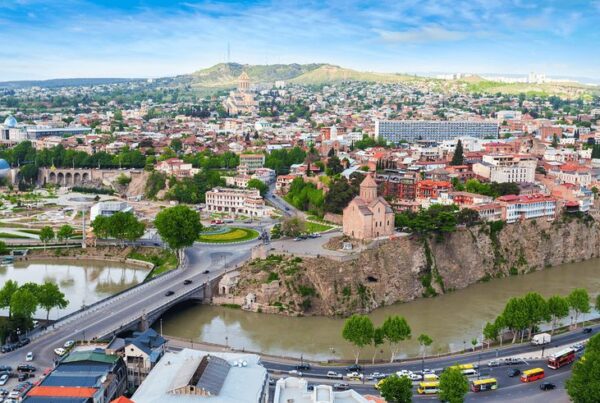
Tbilisi: The Fast-Moving Economic Core
As the nation’s economic heart, Tbilisi reaps immediate rewards from any transportation or service upgrades.
Why it attracts investors:
-
Highest population density in the country.
-
The primary hub for corporate headquarters and businesses.
-
Continuous urban infrastructure upgrades.
-
Consistently high rental demand.
Investor Tip: Properties near newly planned transit axes generally yield faster capital appreciation than mature areas that have already hit their pricing ceiling.
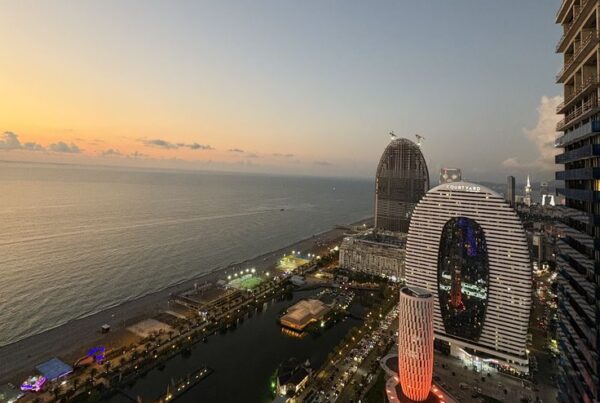
Batumi: Where Tourism Powers Real Estate
Batumi is a textbook example of how infrastructure updates directly fuel tourism and property values.
Growth Drivers:
-
Expansion of coastal highways and bypasses.
-
Upgraded beachfront and tourist amenities.
-
Surging international visitor numbers.
-
High demand for condohotels and vacation rentals.
Because of this, Batumi properties remain a top search trend for investors eyeing lucrative, tourism backed rental yields.
Kutaisi: The Overlooked Opportunity

While the spotlight often stays on Tbilisi and Batumi, Kutaisi is steadily capitalizing on upgraded intercity links, airport expansions, and localized services.
This highlights a classic insider strategy: entry level markets starting at lower price points often deliver a significantly higher percentage of capital growth, even if the absolute price tag remains lower than in the major metropolises.
Comparing the Three Major Cities
| City | Type of Real Estate Demand | Best Suited For |
| Tbilisi | High, stable residential & commercial demand | Permanent residency & long term capital preservation |
| Batumi | Strong seasonal tourism & short-term rental demand | Investing in hotel style apartments & vacation rentals |
| Kutaisi | Emerging demand driven by logistical & future growth | Investors looking for lower entry prices & high growth potential |
How to Choose a Property Before Prices Skyrocket
Instead of chasing neighborhoods that have already peaked, keep an eye out for these forward-looking indicators:
-
Newly mapped highway links.
-
Transit or metro stations currently under construction.
-
Nearby airport expansions.
-
Planned universities or hospitals.
-
Upcoming malls or commercial plazas.
-
Substantial government or institutional backing.
The Golden Rule: The absolute highest investment returns are generated when you buy before the infrastructure is completed, not after.
Common Mistakes Investors Make
-
Buying into a neighborhood that has already hit its price ceiling.
-
Focusing purely on the current price tag without looking at future potential.
-
Ignoring municipal master plans and future development maps.
-
Failing to analyze the local market conditions.
How to Read the Infrastructure Map Before Buying
Amateur investors look only at the building; professionals look at what will surround the building five years down the line. A stellar property in a stagnant neighborhood won’t move the needle much. Conversely, an average property next to a newly announced government hub or transport line can experience massive appreciation.
When evaluating Georgian real estate, look beyond the price per square meter and dig into the municipality’s 5-year development plan.
Indicators of a High Growth Area
-
Construction of new bypasses or expressways.
-
Development of public transit hubs.
-
Expansion of regional or international airports.
-
Groundbreaking of public institutions (universities, hospitals).
-
Inflow of international hotel brands and commercial developments.
Developed Areas vs. Areas Under Development
| Feature | Completed / Developed Area | Area Under Development |
| Purchase Price | High / Premium | Lower / Accessible |
| Growth Potential | Limited / Stagnant | High |
| Risk Level | Low | Moderate |
| Long-Term Returns | Stable / Average | Potentially Exceptional |
| Competition | Fierce | Low |
Note: This doesn’t mean uncompleted areas are always superior; it means you must balance your personal risk tolerance against your target returns.
Do All Infrastructure Projects Drive Property Prices Up?
The short answer is no. Infrastructure-driven appreciation relies on a combination of factors:
-
Project Scale: Strategic, national level projects have a far broader impact than minor local road repairs.
-
Execution Timeline: Some megaprojects take years to finish; your capital needs to be able to wait out the construction phase to realize full gains.
-
Organic Demand: If an area lacks baseline appeal for residents or businesses, infrastructure alone won’t magically create a market.
-
Economic Context: Infrastructure acts as a multiplier; it works best in regions already seeing business, tourism, or population growth.
Key Indicators to Watch in Georgia (2026)
If you are planning to purchase property in Georgia, closely monitor these developments:
-
The ongoing modernization phases of Tbilisi International Airport.
-
East West highway expansions.
-
Deep-sea port and logistical hub milestones.
-
Upgraded high speed rail links between Tbilisi, Batumi, and Kutaisi.
-
New free-industrial zones and commercial business parks.
Summary
Real estate investing is no longer just about picking a handsome building or a reputable developer it is about reading the future blueprint of the entire area.
As Georgia aggressively builds out its infrastructure, certain regions are set to outpace the rest. Analyzing the market through the lens of infrastructure development gives you a massive unfair advantage, whether you are hunting for passive rental income or long term capital gains.
Frequently Asked Questions (FAQ)
1. How exactly does infrastructure affect real estate prices in Georgia?
Infrastructure projects like roads, airports, and public transit make areas more accessible. This spikes buyer and renter demand, which naturally drives up property values and rental yields over time.
2. Is investing in Georgian real estate still profitable in 2026?
Yes, provided you choose your location wisely. Ongoing infrastructure rollouts, combined with healthy tourism and economic metrics, continue to open up high yielding investment pockets.
3. Which Georgian city is best for real estate investment?
Tbilisi is ideal for steady, long term residential and commercial investment. Batumi leads for tourism-centric, short-term rental yields. Kutaisi is a prime target for value driven investors looking for lower entry points and long-term capital growth.
4. Do prices jump immediately when a project is announced?
Prices typically experience an initial speculative bump upon announcement, grow steadily during construction, and realize their full market value once the infrastructure project is fully operational.
5. How do I identify an undervalued area poised for growth?
Look for areas with active or approved municipal plans for new transit links, commercial centers, or major public utilities, and compare their current prices against adjacent, already developed districts.
6. Is buying property near an uncompleted project risky?
There is always a risk of project delays. However, if the project is backed by government funding or major international entities, the long term appreciation potential usually outweighs the interim wait time.
7. How does tourism intersect with infrastructure and real estate?
Better infrastructure (like airport expansions and highway links) brings in more tourists. This directly boosts occupancy rates and rental income for short term vacation rentals, driving up asset values in tourist-heavy zones like Batumi.
8. Will a minor road improvement project increase my property’s value?
Minor fixes maintain baseline property values, but major economic catalysts like new highways, metro links, or large commercial zones are what trigger substantial price surges.
9. What are the most critical factors to check before buying?
You should assess future infrastructure plans, historical rental demand in the vicinity, accessibility, proximity to services, and the pricing trends of neighboring areas.
10. Why should an investor care about infrastructure maps?
Because infrastructure changes the geography of demand. Spotting these shifts early allows you to buy into tomorrow’s prime real estate at today’s discount prices.