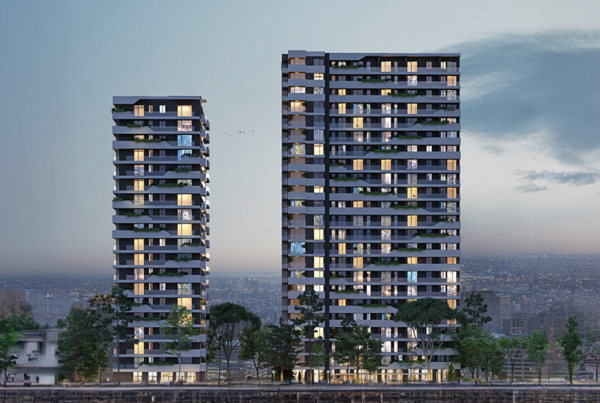

Residential or Commercial Real Estate in Georgia: 5 Factors That Determine Which Is More Profitable
When considering real estate investment outside your country of residence, one important question often arises: Is it better to buy a residential apartment or a commercial property?
In the Georgian market, this question has become increasingly relevant due to the continuous growth in real estate demand and the expansion of commercial and tourism activities across major cities. As a result, many investors seek a clear answer to the question: Residential or commercial real estate in Georgia which offers higher returns and lower risks?
The truth is that the answer depends on more than just the property type. Several factors must be considered, including investment capital, expected annual returns, occupancy rates, resale potential, and long term property management.
In this comprehensive guide, we provide a practical comparison between residential and commercial real estate in Georgia, supported by figures and real world examples to help you make an informed investment decision.
Required Investment Capital: Where Should You Start?
The size of your budget is one of the most important factors when comparing residential and commercial real estate in Georgia.
Residential Apartments
Investors can enter the residential market by purchasing:
- A studio apartment in a developing area
- A one bedroom apartment
- A unit designed for long-term rental income
The required investment typically ranges between:
- $50,000 and $120,000 for mid-range apartments
- More than $150,000 for premium units
Commercial Properties
Commercial real estate generally requires a larger investment due to:
- Prime locations
- Larger spaces
- Business specific infrastructure and fit-outs
Typical investment costs range between:
- $120,000 and $300,000 or more
Conclusion
If your budget is limited, residential real estate provides a more accessible entry point with greater flexibility.
Average Annual Return on Residential Apartments in Georgia
Residential apartments remain one of the most attractive investment options in Georgia, particularly due to strong rental demand in major cities and tourist destinations.
Expected returns vary depending on several factors, including:
- Property location
- Unit type
- Quality of finishes and amenities
- Long-term or short-term rental strategy
- Annual occupancy rate
Rental Yield in Georgia
In some high-demand locations and professionally managed developments, rental yields can reach between 12% and 15% annually.
Total Annual Return on Property Value
When considering both rental income and potential property appreciation, the average annual return on investment may range between 10% and 14%, depending on location and market performance.
Example
Suppose you purchase a residential apartment for $100,000 in an area with strong rental demand.
If the property generates an annual return of 12%, your expected yearly income could reach:
$100,000 × 12% = $12,000 per year
If the return increases to 15%, the annual income could reach:
$100,000 × 15% = $15,000 per year
It is important to note that net investment returns may be lower after accounting for expenses such as maintenance, property management, and potential vacancy periods.
Average Annual Return on Commercial Properties in Georgia
Commercial real estate can generate higher returns in certain situations.
Average annual yields typically range between:
8% and 14%
Returns are influenced by factors such as:
- Lease duration
- Business performance
- Property location
Example
A commercial property valued at $180,000 generates a monthly rental income of $1,800.
Annual rental income:
$21,600
Annual yield:
$21,600 ÷ $180,000 = 12%
While these figures can be attractive, investors should remember that commercial vacancies often last longer than residential vacancies.
Occupancy Rates and Demand: Which Is More Stable?
Demand for Residential Properties
The residential sector benefits from demand generated by:
- Local residents
- Foreign workers
- Students
- Tourists
This creates multiple sources of demand and contributes to relatively stable occupancy rates.
Demand for Commercial Properties
The success of commercial real estate depends heavily on:
- The strength of the business district
- Economic conditions
- The type of tenant
As a result, commercial occupancy rates are generally more sensitive to economic fluctuations.
Conclusion
- Residential properties offer greater stability.
- Commercial properties may provide higher returns but involve higher market sensitivity.
Resale Potential
Residential Apartments
Residential properties appeal to a broader buyer base, including:
- Investors
- Families
- First-time buyers
As a result, resale transactions are often completed more quickly.
Commercial Properties
Commercial assets target a more specialized group of investors.
Selling may take longer, especially if the property is linked to a specific business activity or tenant.
Potential Risks of Each Property Type
Residential Property Risks
- Rental price fluctuations
- Maintenance expenses
- Limited vacancy periods
Commercial Property Risks
- Loss of commercial tenants
- Longer re-leasing periods
- Exposure to local economic conditions
Best Cities for Residential Real Estate Investment in Georgia
Tbilisi
Key advantages include:
- The largest population in Georgia
- Continuous economic activity
- Strong long-term rental demand
Batumi
Key advantages include:
- A thriving tourism sector
- Seasonal rental opportunities
- Strong short-term rental potential
Which City Should You Choose?
- For stability: Tbilisi
- For tourism driven returns: Batumi
Best Areas for Commercial Real Estate Investment
When investing in commercial property, location becomes even more important.
Priority should be given to:
- Main streets
- Tourist districts
- Business centers
- High density residential areas
Investors should carefully analyze daily foot traffic before purchasing, as the success of a commercial property depends heavily on visitor volume and customer accessibility.
Which Option Is Best for First Time Investors?
If you are entering the Georgian real estate market for the first time, residential properties are often the most suitable option because they offer:
- Lower capital requirements
- Easier management
- Faster resale opportunities
- Lower overall risk
However, experienced investors with larger budgets may find commercial real estate a strong opportunity to achieve higher returns.

Numerical Comparison: Residential or Commercial Real Estate in Georgia
| Factor | Residential | Commercial |
|---|---|---|
| Capital Required | Low to Medium | Medium to High |
| Average Return | 12%–15% | 8%–14% |
| Ease of Management | High | Moderate |
| Resale Speed | Faster | Slower |
| Risk Level | Lower | Higher |
| Stability | High | Moderate |
When Does Residential Real Estate Outperform Commercial Real Estate in Georgia?
Although some commercial properties may generate higher annual returns on paper, residential real estate often outperforms commercial investments in several key areas that matter to investors seeking stable, long-term growth.
When You Have a Moderate Budget
Commercial real estate typically requires a larger investment budget than residential apartments. In contrast, investors can enter the residential market with less capital while benefiting from a wider range of available options.
For example, the budget required to purchase a ready to rent apartment may not be sufficient to acquire a commercial unit in a prime location. This gives investors greater flexibility in allocating capital and reducing overall risk.
When You Want to Manage Your Investment Remotely
Many investors prefer owning a property that requires minimal day to day involvement.
In this case, residential apartments have a clear advantage due to their relatively simple rental process and straightforward lease management. Commercial properties, on the other hand, may require closer monitoring of tenant businesses or longer periods to secure replacement tenants when leases expire.
When You Need Higher Liquidity
Residential properties are generally easier and faster to resell because they appeal to a broader audience.
Potential buyers may include investors, families, or individuals looking for a home, whereas commercial properties primarily attract investors, resulting in a smaller buyer pool.
When Occupancy Stability Matters
Residential real estate benefits from multiple demand sources, including:
- Local residents
- Employees and expatriates
- Students
- Long-term visitors
Commercial properties, however, are often more vulnerable to economic shifts and changes in business activity or tenant relocation.
3 Mistakes Investors Make When Comparing Residential or Commercial Real Estate in Georgia
Focusing Only on Rental Yield
Some investors assume that the property with the highest yield is automatically the better investment.
However, a high return does not necessarily mean a superior investment if the property takes longer to sell or experiences extended vacancy periods.
Ignoring Operating and Maintenance Costs
All property-related expenses should be considered before making a decision, including maintenance, management fees, and other ongoing costs.
The true return on investment is the net profit after deducting all expenses, not simply the rental income.
Failing to Analyze Local Demand
A property may offer an attractive price and excellent specifications but still perform poorly if demand in the area is weak.
Location remains one of the most critical factors in the success of any real estate investment, whether residential or commercial.
Case Study: Two Investors with the Same Budget Who Achieved Better Results?
Assume two investors each have a budget of $150,000.
Investor One
Purchased two residential apartments for $75,000 each.
- Annual rental income per apartment: $7,000
- Total annual income: $14,000
- Approximate annual return: 9.3%
If one unit becomes vacant, the investor continues generating income from the second apartment.
Investor Two
Purchased a commercial property for $150,000.
- Annual rental income: $16,500
- Approximate annual return: 11%
However, if the tenant leaves, it may take several months to secure a replacement tenant, resulting in a complete loss of rental income during that period.
What Can We Learn?
Although the commercial investment appears to offer a higher return, the residential investment provides:
- Greater flexibility
- Better risk diversification
- Easier resale opportunities
- More stable income
For this reason, many individual investors in Georgia prefer residential properties as a balanced option that combines profitability with lower risk.
When comparing Residential or Commercial Real Estate in Georgia, commercial properties may initially seem more attractive due to their potential returns. However, when factors such as management simplicity, demand stability, resale speed, and required capital are considered, residential real estate often emerges as the preferred choice for investors seeking a long-term balance between security and profitability.
If you are entering the Georgian property market for the first time, residential apartments are often the most stable and flexible starting point for achieving your investment goals.
Conclusion: Residential or Commercial Real Estate in Georgia?
There is no single answer that fits every investor.
If your priority is stability, easy management, and consistent rental income, residential real estate in Georgia can be an excellent choice.
If you have a larger budget, are comfortable taking on additional risk, and are seeking potentially higher returns, commercial real estate may offer attractive opportunities.
Before making a decision, carefully evaluate the property’s location, expected return, and local market demand. Successful real estate investing depends not only on the type of property but also on selecting the right asset in the right location at the right time.
Frequently Asked Questions (FAQ)
1. Which is better for investment in Georgia: residential or commercial real estate?
The answer depends on your investment goals and budget. Residential real estate is generally preferred by investors seeking stable income and lower risk, while commercial properties may offer higher returns in exchange for increased risk.
2. What is the average annual return on residential real estate in Georgia?
The average annual return typically ranges between 6% and 12%, depending on the property’s location and whether it is rented on a long-term or short-term basis.
3. Does commercial real estate require more capital than residential apartments?
Yes. In most cases, commercial properties require a larger investment, especially when located in prime business districts or high-demand commercial areas.
4. What are the best cities for residential real estate investment in Georgia?
Tbilisi and Batumi are among the most attractive cities. Tbilisi offers stable long-term rental demand, while Batumi provides strong opportunities in the tourism rental market.
5. Can residential real estate generate steady monthly income in Georgia?
Yes. Many investors choose residential properties because they offer the potential for consistent rental income, particularly in locations with strong and ongoing demand.
6. Which is easier to resell: residential or commercial real estate?
Residential properties are generally easier and faster to sell because they appeal to a wider range of buyers, including investors, homeowners, and individuals seeking long-term asset ownership.
7. What are the main risks associated with commercial real estate investment?
The primary risks include extended vacancy periods, difficulty finding suitable tenants, and sensitivity to economic conditions and business activity.
8. Is residential real estate suitable for first-time investors in Georgia?
Yes. Residential properties are often considered ideal for beginners because they involve lower risk, simpler management, and lower entry costs than commercial investments.
9. What factors should be considered when comparing Residential or Commercial Real Estate in Georgia?
Key factors include required capital, expected returns, occupancy rates, resale potential, management and maintenance costs, and local market demand.
10. Is real estate investment in Georgia still a good opportunity in 2026?
Yes. Georgia continues to attract investors due to its relatively affordable entry costs, diverse investment opportunities, and strong demand for residential properties in major cities and tourist destinations.